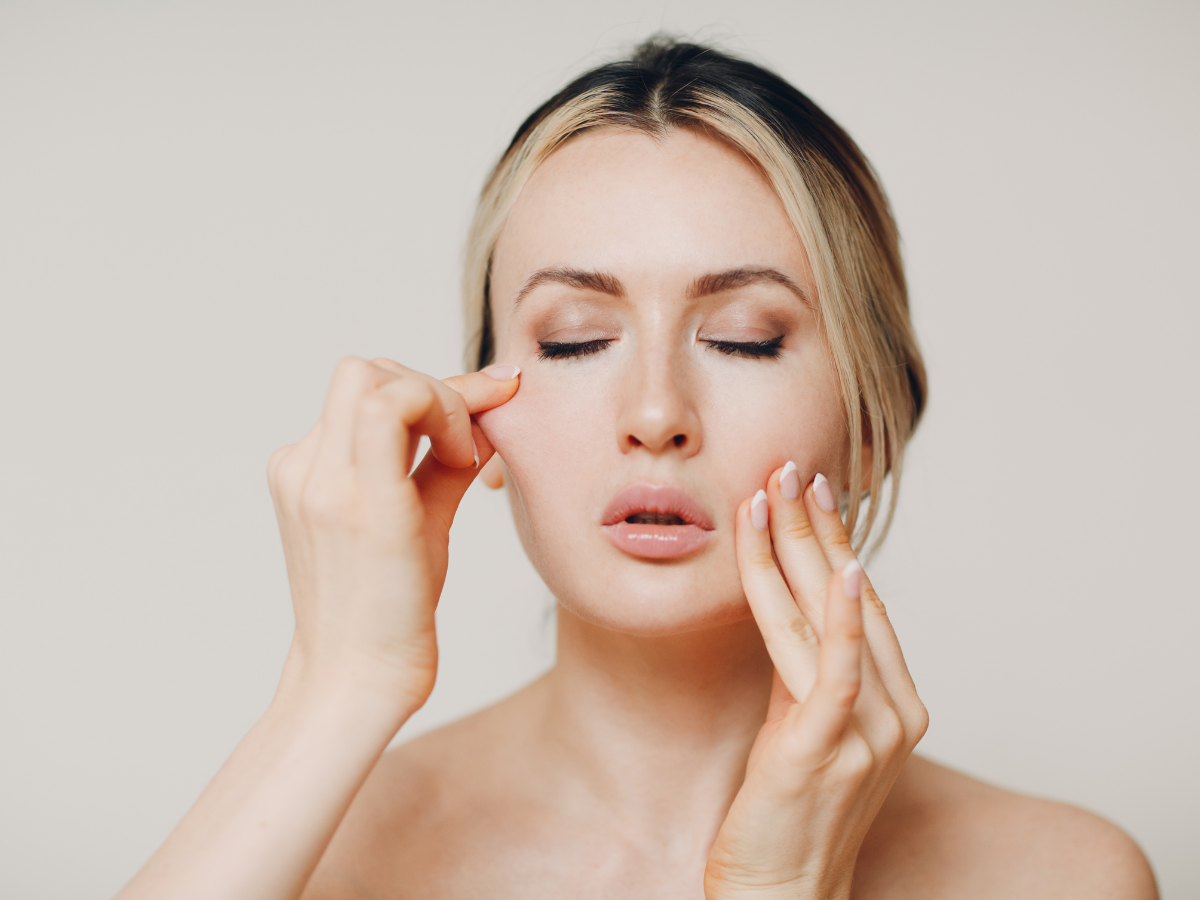
Facial Volume Loss After Weight Loss: How to Prevent It, Restore It, and Plan Ahead
For people carrying excess weight, reaching a healthier body composition is one of the most impactful things you can do for your long-term health. Whether that happens through lifestyle changes, a structured program, or GLP-1 medications like semaglutide (Ozempic, Wegovy) or tirzepatide (Mounjaro, Zepbound), the metabolic benefits are well documented. In the landmark STEP 1 trial, participants treated with once-weekly semaglutide achieved a mean weight loss of 14.9%, with 86% reaching at least 5% reduction (Wilding et al., 2021).
But for some people, significant weight loss, especially when it happens rapidly, comes with an unintended cosmetic side effect: noticeable changes to the face.
You may have heard this referred to as “Ozempic face,” a term popularized by social media. While catchy, it’s misleading. These changes aren’t caused by any one medication. They’re the result of facial fat loss and skin laxity that can accompany any form of significant weight loss, particularly when the loss is rapid or substantial. Not everyone who loses weight will experience meaningful facial changes, but for those who do, understanding why it happens and what can be done about it makes a real difference.
At Allure Aesthetics, we believe you shouldn’t have to choose between your health and how you feel about your appearance. With the right plan, you can support both.
Why Does Your Face Change After Weight Loss?
Your face relies on a network of fat pads, collagen, and soft tissue to maintain its structure, shape, and youthful contour. These aren’t just cosmetic features. They’re structural. When your body loses fat, it doesn’t choose where. The fat pads in your cheeks, temples, under-eyes, and jawline can be affected alongside the rest of your body.
An early imaging study published in Otolaryngology-Head and Neck Surgery (the journal of the American Academy of Otolaryngology) attempted to quantify these changes using CT and MRI scans. In a small cohort of 20 patients on GLP-1 medications, the researchers found a median 9% decrease in total midfacial volume, with an estimated 7% loss per 10 kg of total weight loss, primarily concentrated in the superficial fat pads (Sharma et al., 2025). While the sample size was small, this represents one of the first attempts to objectively measure what many providers have been observing clinically.
Here’s what can happen:
Fat pad deflation. The deep and superficial fat pads that give the midface its fullness can shrink as overall body fat decreases. When significant, this creates a hollowed or sunken appearance, especially in the cheeks and temples. In some cases, it can make the under-eye area appear darker or more concave.
Skin laxity. When volume decreases faster than the skin can contract, the result is loose or sagging skin, particularly along the jawline, jowls, and neck. Skin elasticity varies by age, genetics, and sun exposure history, which is why some people experience more laxity than others.
Changes in skin quality. A 2024 review in the Journal of Cosmetic Dermatology highlighted that rapid GLP-1-induced weight loss creates unique esthetic challenges, including skin laxity and changes in facial contour, and called for further research into optimal treatment timing and approaches for these patients (Haykal, 2024). Research on patients after massive weight loss (typically following bariatric surgery) has shown measurable changes in collagen fiber composition, though these findings are most relevant to very large and rapid weight loss rather than moderate, gradual loss.
Loss of facial proportion. Many people describe looking “tired” or “older” after weight loss, not because they’ve actually aged, but because the balance between facial structure, volume, and skin quality has shifted. The face may simply look like it hasn’t caught up with the body.
It’s important to note: these changes are not inevitable for everyone. Gradual weight loss, smaller total amounts of weight loss, and younger skin with more elasticity all reduce the likelihood and severity. But when they do occur, they’re treatable.
Who Is Most at Risk?
Facial volume loss after weight loss tends to be more noticeable in certain situations.
People over 35 typically have lower baseline collagen and less skin elasticity. Those who lose weight rapidly, more than one to two pounds per week, give the skin less time to adapt. Individuals with significant total weight loss (30+ pounds) see more cumulative effect on facial fat pads. People who were already lean in the face before starting weight loss are also more vulnerable. And those with a history of sun damage or smoking, both of which compromise collagen and elasticity, tend to experience more pronounced changes.
If several of these factors apply to you, planning ahead can help you stay ahead of the changes rather than reacting to them after the fact.
Prevention: What You Can Do During Weight Loss
This is where most online advice falls short. The majority of articles focus on treatment after the changes have already happened. But the most effective approach starts alongside your weight loss, not after it.
Work With Your Prescriber on Pacing
If you’re using a GLP-1 medication, talk to your prescribing provider about gradual dose titration. A slower, steadier rate of weight loss (one to two pounds per week) gives your facial tissues more time to adapt. This won’t prevent all volume change, but it can meaningfully reduce the severity for many patients.
Prioritize Protein and Hydration
Adequate protein intake supports collagen synthesis and helps preserve lean tissue, including in the face. Staying well-hydrated also supports skin elasticity and overall skin quality. These aren’t replacements for clinical treatment, but they form a solid foundation.
Support Skin Quality With Clinical Skincare
To be clear: no skincare product will prevent your facial fat pads from shrinking during weight loss. That’s a structural change that happens below the skin. However, medical-grade skincare products containing retinoids, vitamin C, and peptides can support the skin itself by promoting collagen turnover, improving firmness, and maintaining barrier health. Keeping the skin in the best possible condition means it will respond better to any changes happening underneath and, if needed, to future treatments. At Allure, we often build skincare into the broader plan rather than treating it as an afterthought.
Consider Skin-Supporting Treatments as an Adjunct
Depending on your situation, in-office treatments during active weight loss can support skin quality alongside the changes taking place. These are not a substitute for volume restoration if significant deflation occurs, but they can help maintain the skin’s resilience.
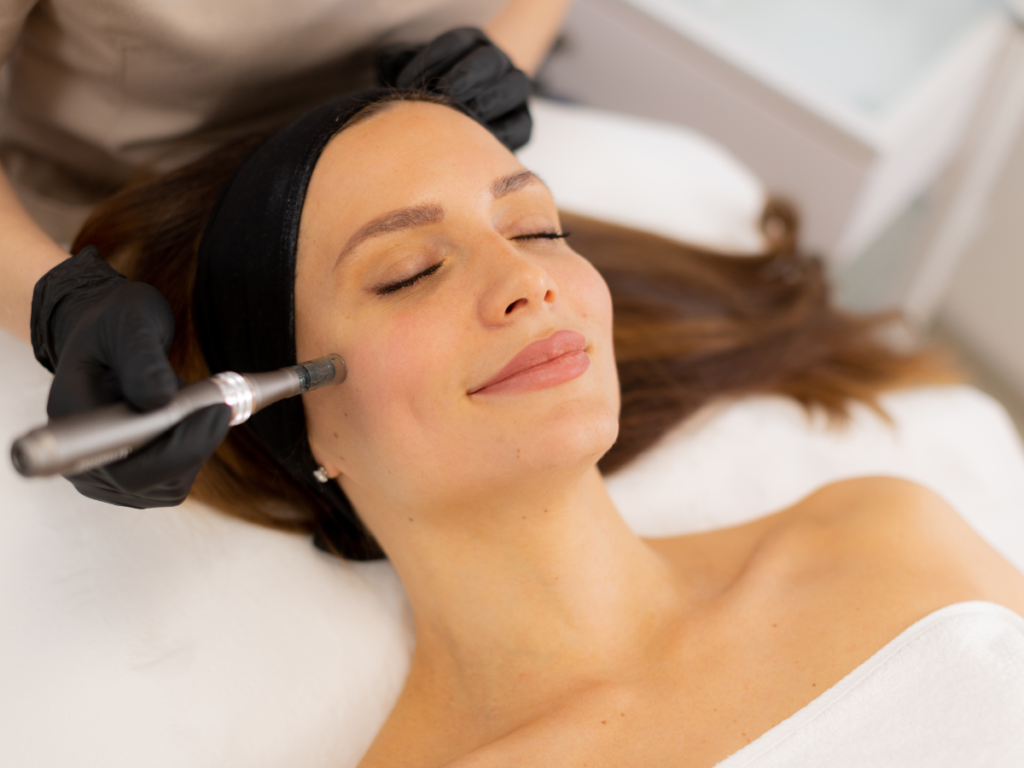
- Microneedling can stimulate collagen production and improve skin texture and firmness.
- Laser or phototherapy treatments (such as BBL or Moxi) can address skin quality, tone, and early textural changes.
- Chemical peels support cellular turnover and surface-level skin health.
- HydraFacial maintains hydration and barrier health as the skin adapts.
Think of these as supporting the foundation while the structure shifts. They’re most valuable as part of a broader plan, not as standalone solutions for volume loss.
Restoration: Treating Facial Volume Loss That Has Already Occurred
If you’ve already lost weight and are seeing changes in your face, the good news is that these concerns are highly treatable, especially with a thoughtful, full-face approach.
Dermal Fillers for Volume Restoration
Hyaluronic acid-based dermal fillers remain one of the most effective non-surgical tools for restoring volume in the cheeks, temples, under-eyes, jawline, and lips. When placed strategically, fillers don’t just “fill.” They rebuild structural support that has shifted due to volume loss.
The key is approach. Injecting one area in isolation often creates imbalance rather than harmony. This is especially true after weight loss, where changes are happening across the entire face simultaneously.
At Allure, our approach to filler is always structural and plan-driven. We assess the full face from crown to neck, prioritize which areas will create the most natural impact, and stage treatments over time when appropriate. Filler is one tool, not the entire plan.
Biostimulators for Gradual Collagen Rebuilding
For patients who want gradual, natural-looking improvement, biostimulatory injectables like Sculptra (poly-L-lactic acid) or hyperdilute Radiesse (calcium hydroxylapatite) stimulate your body’s own collagen production over time, but they are less precise. These are particularly effective for restoring diffuse volume loss across the midface and temples.
Results develop over weeks to months and can last significantly longer than traditional fillers. They work especially well as part of a layered plan alongside skin quality treatments and, when needed, traditional fillers for more targeted structural correction.
Neuromodulators for Refinement
Neuromodulators (Dysport, Botox, etc.) don’t restore volume, but they can complement a volume restoration plan by softening dynamic lines (crow’s feet, forehead lines, brow tension) that may have become more visible as facial fullness decreased. When used alongside filler and skin treatments, they contribute to an overall rested, refreshed appearance.
Skin Tightening and Resurfacing
For patients experiencing mild to moderate skin laxity, collagen-stimulating treatments like microneedling (especially with PRP or growth factors) and laser resurfacing can improve firmness and texture. These treatments address the quality of the skin itself, something volume alone cannot fix.
It’s worth noting that non-invasive skin tightening devices (radiofrequency, ultrasound-based treatments, etc.) typically provide only mild improvement and are most appropriate for patients with very early or minimal laxity. For more significant skin laxity, these devices alone are unlikely to produce the results most patients are looking for.
Surgical Options for Significant Laxity
For patients with more advanced skin laxity or significant structural changes, particularly in the lower face and neck, surgical intervention may be the most effective path. A facelift, neck lift, or fat grafting procedure can address sagging and volume loss at a level that non-surgical treatments simply cannot reach.
We don’t perform surgery at Allure, but referrals to trusted surgical specialists are part of how we think about patient care. When collaboration supports your best results, whether with a surgeon, cosmetic dentist, or another provider, we incorporate that into the plan rather than trying to force every goal into a non-surgical solution. Sometimes the most honest recommendation is one that points outside our own services.
Timing: When Should You Start?
This is one of the most debated questions in aesthetics right now, and there’s no single right answer. But the approach we believe produces the best results is a phased one:
Phase 1: During active weight loss. Focus on prevention and skin quality. Skincare, collagen-supporting treatments, and possibly conservative filler in areas with significant early change. The goal is to maintain, not overcorrect, because your face is still changing.
Phase 2: After weight stabilization. This is when more definitive volume restoration makes sense. Once your weight has plateaued, your provider can assess the full extent of change and build a plan that won’t need to be revised as your body continues to shift. For patients considering surgical options or fat grafting, many surgeons recommend waiting until weight has been stable for at least six months.
Phase 3: Ongoing maintenance. Like any aesthetic plan, the results of treatment evolve over time. Periodic reassessment allows your provider to adjust as your face continues to age naturally, ensuring your results stay balanced and natural.
This phased approach is, in our view, the right way to handle facial changes from weight loss. It avoids overcorrection, respects the fact that your body is still changing, and builds toward a result that looks natural at every stage. The worst approach is waiting until changes feel urgent, then trying to fix everything at once. Reactive, single-visit solutions tend to produce less natural results and often cost more in the long run.
Why a Full-Face Plan Matters More Than Any Single Treatment
Most of what you’ll find online about facial volume loss after weight loss reads like a treatment menu. Filler here, microneedling there, maybe a laser. But the face isn’t a list of isolated concerns. It’s an interconnected system, and treating it as one is what separates good results from great ones.
That’s the philosophy behind our trademarked Full Face Refresher, a comprehensive, crown-to-neck assessment and treatment plan that considers structure, volume, skin quality, and long-term goals together. It’s not a “package” or a set number of syringes. It’s a customized aesthetic roadmap, built around what your face actually needs.
For weight loss patients specifically, this approach is critical. Volume loss doesn’t happen in just one place, it shifts the balance of the entire face. Treating the cheeks without considering the temples, or adding lip volume without addressing the midface, often creates a result that looks unbalanced or overdone.
A full-face plan also means knowing when not to treat. Sometimes the most valuable recommendation is to wait, to address skin quality first, or to refer to another specialist when that serves the patient better. Our providers are paid for their time and expertise, not per syringe and never on commission, so the recommendation is always grounded in what genuinely helps.
What to Look for in a Provider
If you’re experiencing facial volume loss after weight loss and considering treatment, here are a few things worth asking:
Do they assess the full face, or just the area you ask about? Are they recommending based on a plan, or selling individual treatments? Do they explain what they wouldn’t do, and why? Are they transparent about limitations and realistic timelines? Do they have experience working with patients who’ve undergone significant weight loss?
The right provider won’t rush you into treatment. They’ll take the time to understand your goals, your history, and how your weight loss journey has affected your face, then build a plan around you.
The Bottom Line
Facial volume loss after weight loss is common and treatable, but it’s not inevitable for everyone. The severity depends on how much weight was lost, how quickly, and individual factors like age and skin quality. Whether you’re just starting a GLP-1 medication or you’ve already reached your goal weight and want to address the changes you’re seeing, a proactive, phased approach will always produce better outcomes than reactive, piecemeal treatment.
At Allure Aesthetics, we work with patients at every stage, from prevention during active weight loss to full facial restoration after stabilization. Every plan is individualized, every recommendation is evidence-informed, and the goal is always the same: helping you look like the best version of yourself, not a different person.
If you’re ready to start the conversation, book a visit with us and we’ll build a plan that supports both your health goals and your confidence.
Frequently Asked Questions
Is facial volume loss guaranteed with GLP-1 weight loss medications? No. Not everyone who loses weight will experience significant facial changes. The risk and severity depend on factors like how much weight is lost, how quickly, your age, baseline facial structure, and skin elasticity. Gradual, moderate weight loss is far less likely to cause noticeable facial hollowing than rapid, substantial loss.
When should I start treatment for facial volume loss? The best approach is phased. During active weight loss, focus on skin quality and prevention. After your weight stabilizes for three to six months, that’s typically the right time for more definitive volume restoration with fillers, biostimulators, or surgical referral if needed.
Can topical skincare products prevent facial volume loss? Skincare products cannot prevent the structural fat loss that causes facial hollowing. However, medical-grade products containing retinoids, vitamin C, and peptides can support skin health, firmness, and resilience, which helps the skin respond better to changes and to future treatments.
What is the most effective non-surgical treatment for facial volume loss after weight loss? Dermal fillers and biostimulatory injectables (like Sculptra and hyperdilute Radiesse) are the most effective non-surgical options for restoring volume. The best results come from a comprehensive plan that considers the full face rather than treating individual areas in isolation.
Should I consider surgery for facial volume loss after weight loss? For patients with significant skin laxity, especially in the lower face and neck, surgical options like a facelift, neck lift, or fat grafting may produce results that non-surgical treatments cannot match. A good provider will be transparent about when surgery is the better path and refer you appropriately.
Reference List
Haykal, D. (2024) ‘The role of GLP-1 agonists in esthetic medicine: exploring the impact of semaglutide on body contouring and skin health’, Journal of Cosmetic Dermatology, 24(2), e16716. Available at: https://doi.org/10.1111/jocd.16716
Sharma, R.K., Vittetoe, K.L., Barna, A.J., Takkouche, S., Langerman, A. and Stephan, S.J. (2025) ‘Radiographic midfacial volume changes in patients on GLP-1 agonists’, Otolaryngology-Head and Neck Surgery, 173(2), pp. 360-366. Available at: https://doi.org/10.1002/ohn.1209
Wilding, J.P.H., Batterham, R.L., Calanna, S., Davies, M., Van Gaal, L.F., Lingvay, I., McGowan, B.M., Rosenstock, J., Tran, M.T.D., Wadden, T.A., Wharton, S., Yokote, K., Zeuthen, N. and Kushner, R.F. (2021) ‘Once-weekly semaglutide in adults with overweight or obesity’, New England Journal of Medicine, 384(11), pp. 989-1002. Available at: https://doi.org/10.1056/NEJMoa2032183